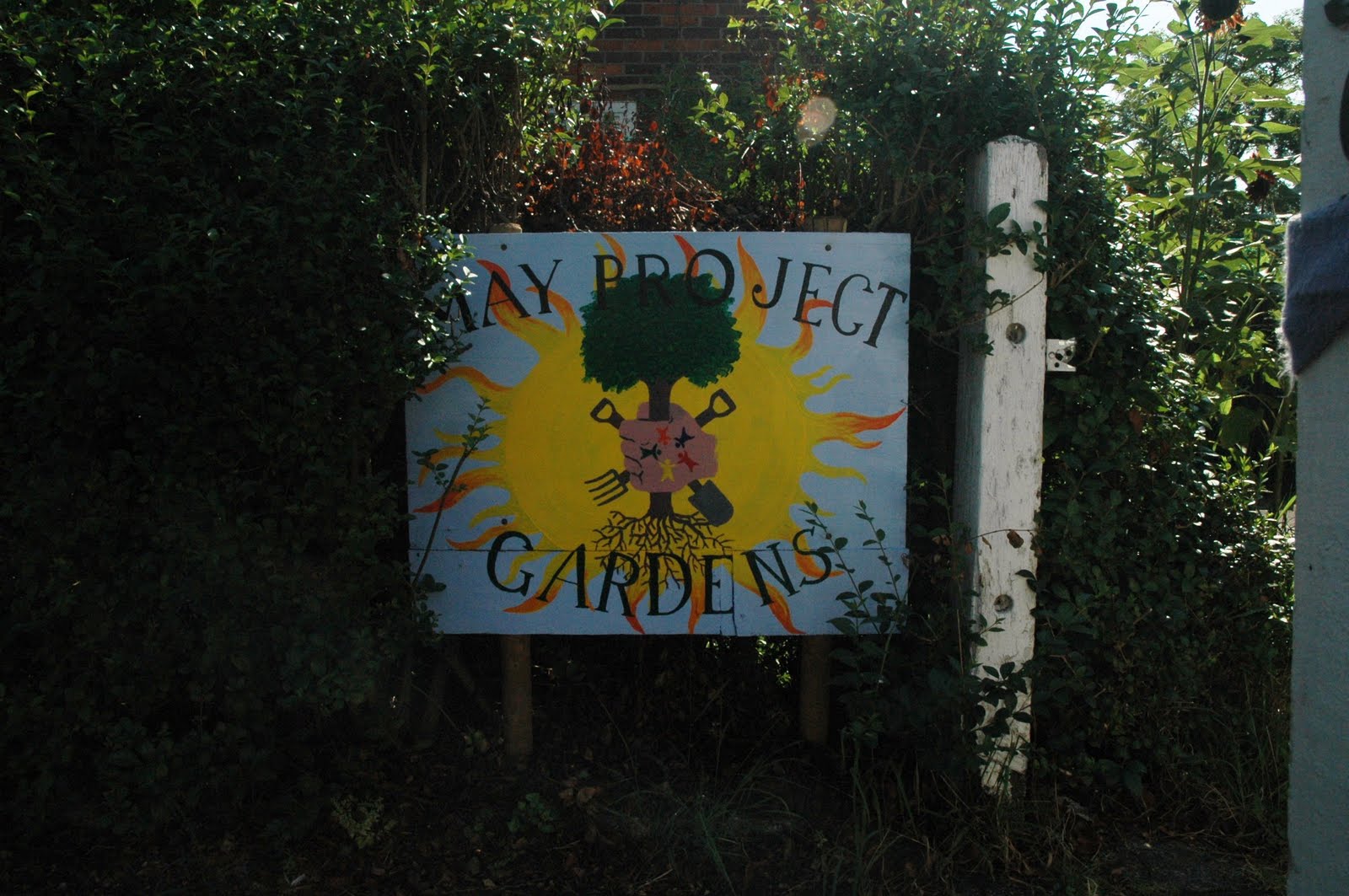
August was a busy month in the garden. We hosted our very first major public event 'Apple Harvest Weekend' and it was a great success. There was lots going on in the garden over the past 60 days. We had a great harvest this season consisting of potatoes, tomatoes, aubergines, carrots, onions, garlics, peppers and corn.
We have been harvesting tomatoes since June and there is still loads and loads of them still being developed on the plants.

We greatly underestimated the vigorous growth of the varieties of tomatoes we planted this season. The varieties we used were Gardeners Delight and Golden Sunrise. They both did very well and the gardeners delight are exceptionally sweet small cherry tomatoes. We built a small support structure for the tomatoes from bamboo canes and plastic coated steel wire. This worked well for the first two and a half months of harvest but the plants just didn't stop growing/producing, event after the new growth was cut off. Our supports were just over metre high and so we now know that it needs to be a lot higher than that.


Freshly harvested tomatoes

Tomato plants out growing their supports
Despite our bumper tomato crop this season we had a huge problem with mildew on the outdoor tomato crop. Before they had a chance to ripen up they began to go brown and mouldy.

Tomatoes being attacked by mildew
However we were able to safe the majority of the fruits and made a lovely batch of green tomato chutney.


Green Tomato chutney
Another crop that did very well this season were the carrots. These were grown from seeds which we managed to save from the 2010 seasons' carrot harvest. The variety we used was Nantes. The were delicious and kept very well in the ground. We noticed that once they were pulled up they would go soft quite quickly so we would only harvest what we were going to use that day. The problem with that was that the slugs and woodlice also thought they were delicious however the damage caused by these creatures was only superficial.

Nantes carrots in August
Aubergines(egg plant) did not do very well last season, the majority of the plants simply flowered and withered before being allowed to bear fruit. This season however we sowed them a bit earlier and kept close eyes on their development throughout the season and we were well rewarded for our efforts.


Some of our aubergines
The growth period of aubergines is very long. It took approx 6 months from seed to harvest, we were lucky to have a polytunnel which helps to protect non native plants against the harsh English weather. Two other heat loving crops we planted inside the polytunnel were peppers and melons. The peppers were a variety called California Wonder and did quite well. And we also had some very potent chilli plants.

California Wonder

Scotch Bonnet (chilli peppers)
We just dug up the last of the summer potatoes and found a real monster. We had two varieties of potatoes this year Romano and King Edward. The King Edwards seem to be susceptible to blight and so most of them were harvested early.

King Edward
As you can probably see in the previous picture we also managed to successfully grow sweet corn again this season. We used two varieties, one called Golden Bantam and the other Mini Pop. The mini pop was planted to be used in the making of pop corn and it did not disappoint. The Golden bantam grew well and produced an average of two husks per plant but were not as sweet as we would have likes.


Golden Bantam 'not so' sweet corn
Next on the list of veg harvested this season are garlics and onions. Our garlic bulbs were from the supermarket. We simply saved a few good cloves, planted them in the late autumn and eureka we had a good batch of lovely strong flavoured garlics.

Garlics hanging out to dry
We planted two verities of onions and they both did well. We planted some white onions from sets and a red variety from seeds. As expected the ones grown from sets matured quicker than those planted from seeds however the gap between harvest times was only a few weeks.

Onions drying
We had a few varieties of squashes this season and they all fruited. We had the a pumpkin (variety unknown) Sweet Dumpling (squash), Butternut squash, and Festival (squash). Sweet dumplings are very compact plants and as a result did not produce a large number of fruits unlike the butternuts and pumpkins.

Pumpkin

Sweet Dumpling


Butternut Squash
On to the fruits now. In the garden we have strawberries, which have just started producing new fruit (I am as shocked as you are), apples, grapes and melons. The apple harvest, as mentioned in a previous post was overwhelming to say the least, and the grapes were just as productive.

Sweet and juicy apples

Picking grapes

Very sweet white pipped grapes
The melons did surprisingly well, we managed to get five melons from one vine, The variety we used was Sweetheart which has a green skin which turns yellow once ripped and consisting of sweet refreshing yellow flesh.

Sweetheart Melons
So that's the quick update on the harvest at May Project Gardens. Remember if you would like to learn more about the project and/or share some skills or expertises please don't hesitate to contact us or pop in for a visit during one of our open days. I now leave you with some more pictures of this seasons' harvest.